Iron Pulse Portal
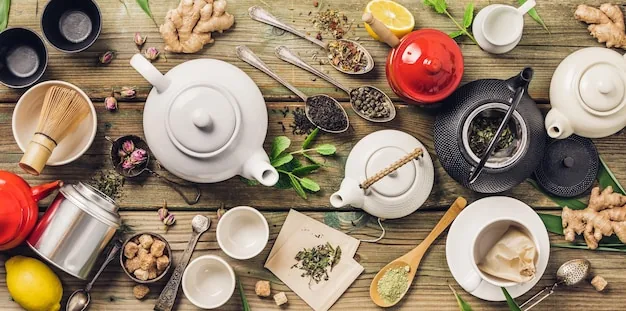
Hands preparing matcha during a half-day tea immersion at Iron Pulse Portal, Kyoto

Full experience · Half-Day Immersion

A half-day to learn what the ceremony holds

This is for those who want to move closer to the practice — to hold the utensils, whisk the tea, and understand the hospitality that shapes every gesture in the ceremony.

← Back to home

What this gathering offers

A morning or afternoon that opens the practice to you

After this half-day, you will have prepared matcha with your own hands. You will have held the chasen and felt what the whisking requires. You will have cleaned a tea bowl and understood why the folding of the cloth matters. These things stay differently than reading about them does.

More than any particular skill, you will carry an understanding of what the ceremony is actually for — the quality of attention it asks from both host and guest, and why that quality has been worth sustaining for centuries.

What you can expect

  • Hands-on guidance through the care and handling of tea utensils — chasen, chawan, natsume, chakin
  • Practice whisking matcha under patient guidance — until the bowl in your hands begins to feel familiar
  • Two seasonal wagashi sweets, chosen to accompany different moments in the session
  • A closing reflective sitting — tea prepared and received in the spirit of a full ceremony
  • An exploration of omotenashi — the philosophy of hospitality that underpins every movement in chanoyu
  • Small group setting — never more than a few guests, so the pace stays personal throughout

What draws people to this gathering

Some curiosities need more than an hour to be properly met

Many guests who have attended a first tea ceremony find themselves wanting to go further. The hour was enough to open a door — but not enough to step through it. There is a particular feeling that comes from watching a host prepare tea with evident care and knowing, somewhere, that you would like to understand what that care requires from the inside.

There is sometimes a hesitation about whether a deeper engagement is available to someone without years of study behind them. Whether the practice is truly accessible, or whether it remains something one observes from a respectful distance.

This half-day is an answer to that hesitation. The guidance is patient, the group is small, and the session is shaped around what you can genuinely hold in a single morning or afternoon — not what a formal training programme would cover over months.

How this immersion works

Learning by doing, in a room that holds no expectation of perfection

The half-day is structured around direct experience rather than demonstration. You will handle the utensils from early in the session — not to perform them correctly, but to begin developing a physical relationship with objects that carry centuries of considered use.

The host works alongside you throughout, adjusting guidance to what you are finding and what you are curious about. The session does not follow a fixed script — it responds to the people in the room. What matters is that you leave with a genuine feel for the practice, not a list of steps.

Hands on from the start

The session moves quickly into practice. Watching is useful, but the understanding that comes from holding the chasen and feeling the resistance of the matcha is something different altogether.

Unhurried by design

A half-day is a genuine length of time. There is room to return to something, to ask again, to sit quietly with what you have just done before moving to the next element. Nothing is rushed through.

The spirit, not just the steps

The host weaves the philosophy of omotenashi through the practical guidance — so that the care behind each gesture becomes as clear as the gesture itself.

Closing with a real ceremony

The session ends with a reflective sitting in which the tea is prepared and received as it would be in any gathering — a completion that gives shape to everything practised before it.

How the half-day unfolds

Five movements through the practice

01

Arrival and orientation

You are welcomed and given time to settle. The host introduces the utensils laid out before you — their names, their materials, and something of their history — before anything is touched.

02

Utensil care

The folding of the chakin, the warming of the bowl, the placement of each object — you practise these with the host's guidance, understanding not just how but why each step is done as it is.

03

Whisking practice

The first seasonal sweet is received. Then you whisk matcha — once, and then again, until the motion becomes more natural. The host adjusts your grip and pace gently, without hurry.

04

Hospitality in practice

A conversation about omotenashi — what it means to prepare tea for another person, and how that intention changes the physical act. The second sweet is received here, in keeping with the ceremony's rhythm.

05

Closing sitting

The session closes as a ceremony. The host prepares tea for you in the full spirit of chanoyu. You receive it as a guest, with everything the half-day has given you now present in the room.

The investment

¥18,500 for one half-day session

This covers the full half-day in the tatami room — hands-on guidance through utensil care and whisking, two seasonal wagashi sweets, and the closing reflective sitting. All materials and utensils are provided. There is nothing to bring and nothing added on the day.

Payment is made at the studio on the day, in yen. The session is limited to a small number of guests by design — if you are coming as a pair or a small group, we are glad to arrange a private session. Write to us to discuss.

What is included

  • A full half-day in the tatami room in Gionmachi Minamigawa, Higashiyama
  • Hands-on practice with all tea utensils — chasen, chawan, natsume, chakin, hishaku
  • Guided whisking practice with patience given for as many attempts as you need
  • Two seasonal wagashi sweets at appropriate points in the session
  • Exploration of omotenashi and the philosophy of care in chanoyu
  • A closing reflective sitting — full ceremony, unhurried
  • Conducted in English; small group size maintained throughout

What makes this approach effective

The half-day is long enough to move past the surface

There is a threshold in learning a physical practice — a point at which the body stops simply imitating and begins to understand. For most guests, that threshold is reached sometime in the middle of the half-day. The session is long enough to cross it.

The closing sitting is not a formality. It is a genuine ceremony, and by the time it begins, you are prepared to receive it differently than you would have been at the start of the morning. That difference is what the session is shaped to produce.

Duration

A half-day — morning or afternoon

Sessions are offered as either a morning or an afternoon sitting. The duration is typically three to three and a half hours, with no strict close. We work with your schedule when you write to us.

Suited to

Guests ready to spend time with the craft

Those who have already attended a tea ceremony and wish to go further, those with a considered interest in Japanese culture, and anyone who wants to spend a quiet morning or afternoon doing something that takes full attention. Prior experience helpful but not required.

Our commitment

We hold the group small so that your time is genuinely given to

The half-day immersion is kept to a small number of guests precisely because the quality of the session depends on it. You will have the host's attention throughout — not divided between a large group, but present with you and with whoever else is in the room.

If you have questions about whether this session is suited to your experience level, your schedule, or your particular interest in the ceremony — write to us before reserving. We will describe what the half-day involves in as much detail as is useful, and help you decide whether it is the right visit.

If something changes after you have reserved a place, let us know as soon as you are able. We will always try to find an arrangement that works for you.

How to begin

Three steps to your half-day in the tea room

01

Write to us

Use the contact form on the home page. Tell us your preferred dates, whether you would like a morning or afternoon session, and how many guests will be joining. Include any questions — we read everything carefully and respond directly.

02

We confirm your session

Within one working day, we will respond with available times and what you need to know to arrive comfortably. If a private arrangement is more suitable for your group, we will discuss that at this stage.

03

Arrive with nothing to prepare

Wear something comfortable that allows you to sit on tatami. Everything else is in the room waiting for you. The half-day will take care of itself from the moment you arrive.

Reserve your place

A quiet morning or afternoon that will stay with you

The Half-Day Tea Immersion is ¥18,500 and runs for approximately three to three and a half hours. To reserve a place or ask a question, write to us using the form on the home page.

Write to us

Other ways to visit

Explore the other gatherings at Iron Pulse Portal
Introductory Tea Gathering

First visit

Introductory Tea Gathering

A quiet first hour for newcomers to chanoyu. Thin matcha, a seasonal sweet, and gentle guidance in an authentic tatami room. No experience needed.

¥3,800

Learn more
Seasonal Matcha Tasting

For tea drinkers

Seasonal Matcha Tasting

A ninety-minute seated tasting through several matcha grades, exploring how harvest and region shape what ends up in the bowl. Notes to take home.

¥6,400

Learn more